
This is a div block with a Webflow interaction that will be triggered when the heading is in the view.
- Presents 5 ways you can get ready for the cookieless world.
- Even if you don’t feel like you have enough info about the topic, you should at least start bringing this conversation up with the broader GTM team.
- Here are some articles you can share internally: Bloomberg’s overview on cookieless (published 16 Jul 2020) Search Engine.
- If you’re at a company with over 100 employees, here’s what you need to do.
- via GIPHY Before you call BS on this, you should check out what the award-winning marketers at Outreach,.

Opensense and Tugboat Logic recently hosted a webinar on the cookieless future (check out the blog post for the full context on cookieless).
But if you’d rather get up to speed here, then this paraphrase of Snoop Dogg sums everything up: if you ain’t up on thangs, Google is the name, and killing tracking cookies is the game 🍪
Here are 5 tactics you should implement now before Google takes away all the cookies in 2022:
1. Keep this convo going with your data, sales, web dev, and exec teams.
We marketers always have to be educating both internal (our teammates) and external (our customers and prospective buyers) audiences. Even if you don’t feel like you have enough info about the topic, you should at least start bringing this conversation up with the broader GTM team.
A good start would be with your marketing team (especially your boss), followed by the ops (both sales and marketing) folks. And assuming you have web developers and data/analytics people who maintain your website and customer data servers, they would be the next best group to brief.
Here are some articles you can share internally:
- Bloomberg’s overview on cookieless (published 16 Jul 2020)
- Search Engine Land’s nicely written analysis / hot take (published 14 Feb 2020)
1a. If you’re at a company with over 100 employees, here’s what you need to do.
- If you don’t have one already, get a customer data platform (CDP)
- If you already have a CDP, then you’re already ahead of the curve
- Make CRM clean-up a priority for Q4 (and on an ongoing basis every 3-6 mo if you can)
2. Test new channels like email signatures and email ad banners.
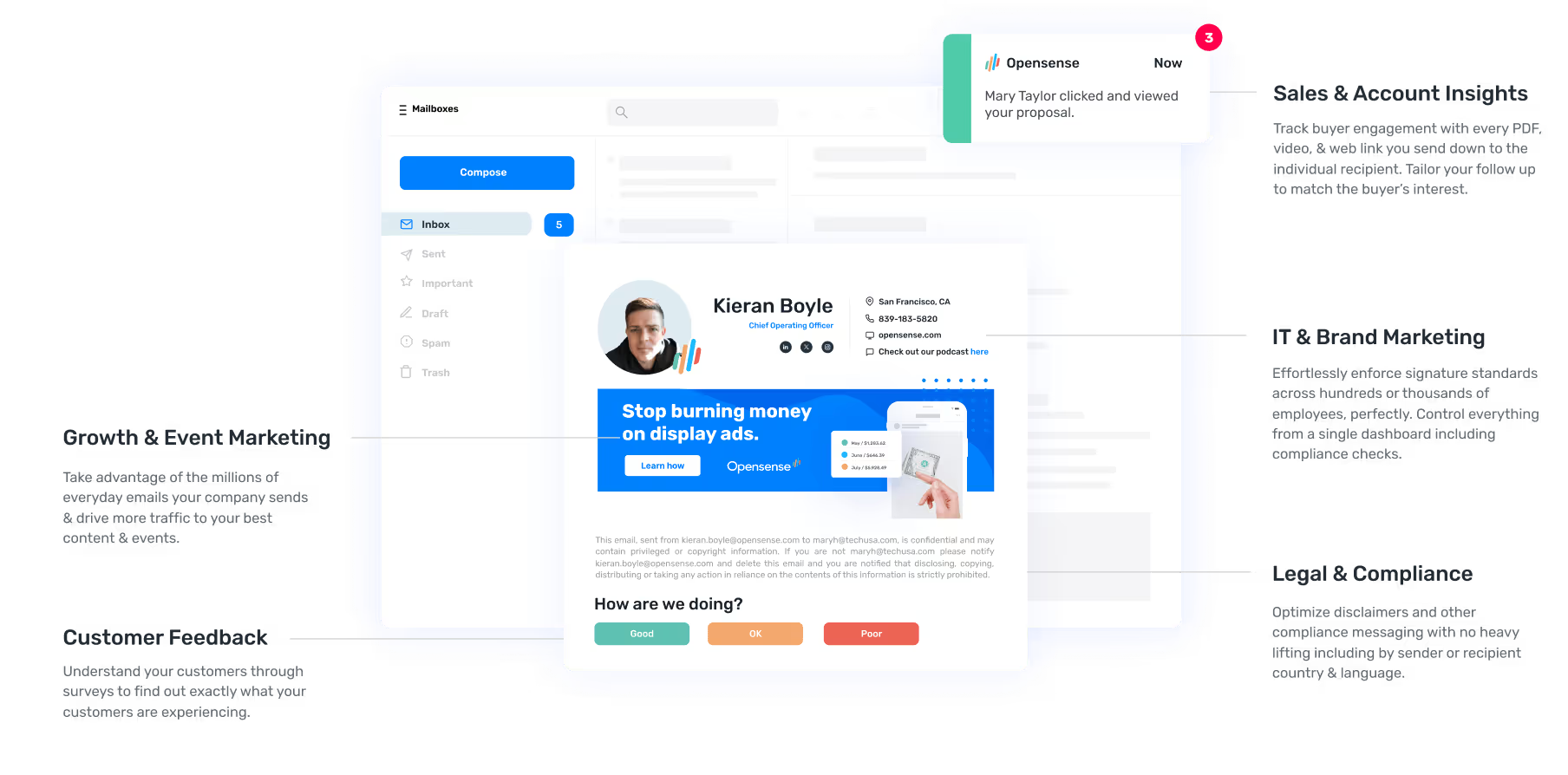
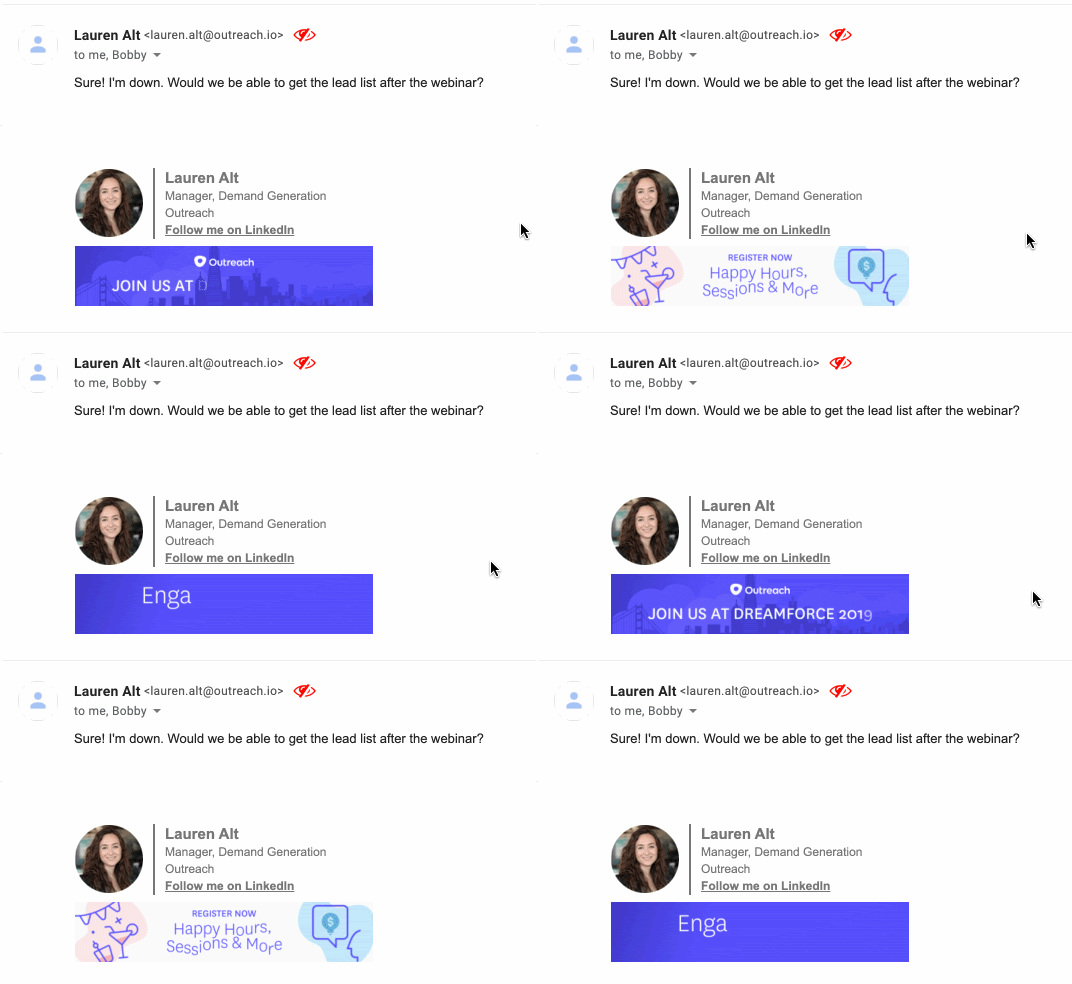
Email signatures are unassuming, but everyone reads them (I’m willing to bet my non-existent 401k savings that you’ve peeked at your fair share of people’s email signatures). The great thing about email signatures is the fact that it’s prime real estate: ad blockers don’t block them and pretty much everyone has an email signature (especially those execs that fall in your ICP).
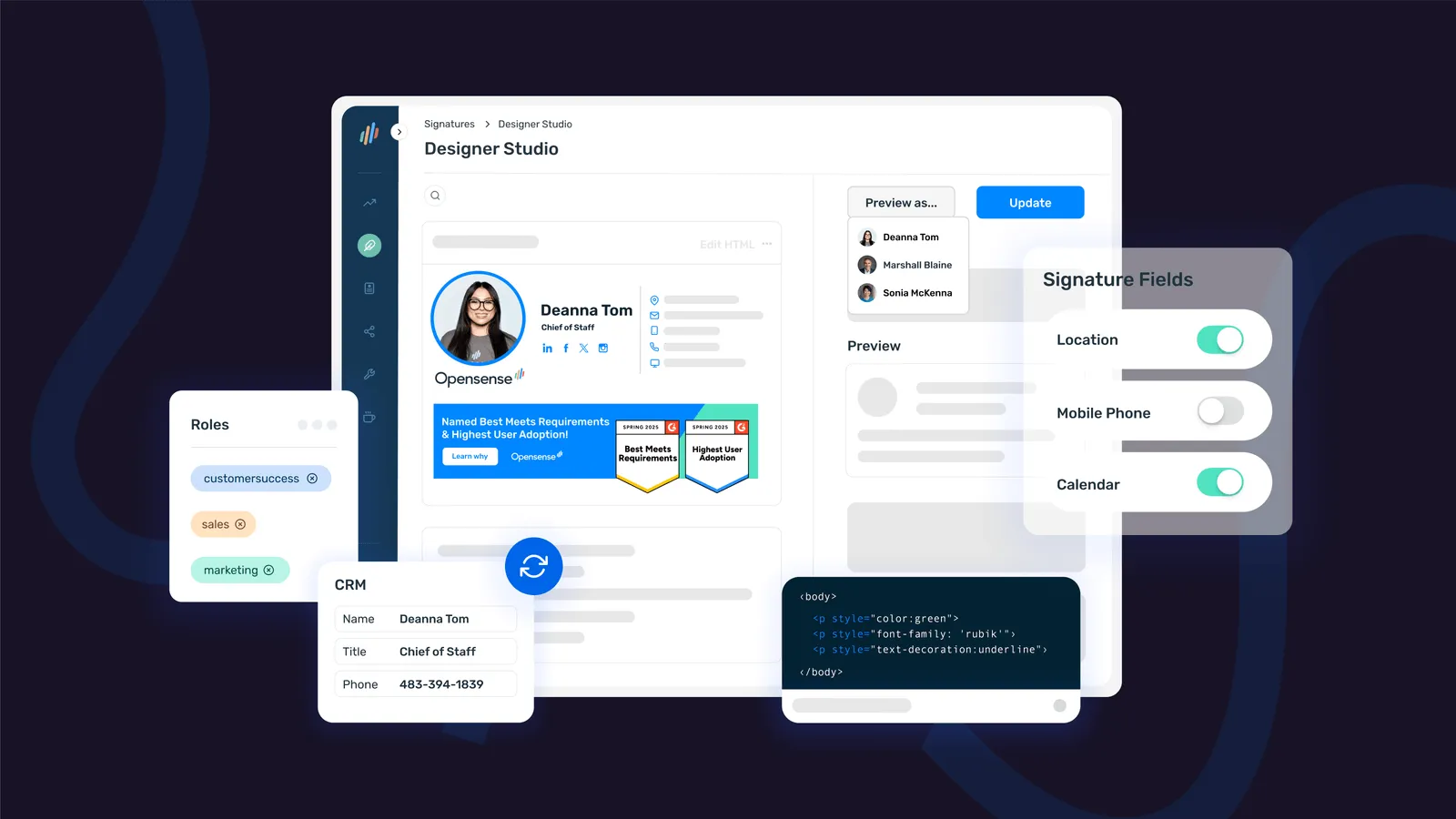
Before you call BS on this, you should check out what the award-winning marketers at Outreach, Adobe, and Salesforce have been doing with email signature marketing tools like Opensense. They’ve created their own ad inventory off the back of their contacts and from the emails their customer-facing teams send every day. And more importantly, they’ve increased sales and contact engagement, and successfully promoted marketing campaigns and large-scale events – check out the example from Outreach:
3. Practice good CRM hygiene habits.
I’m guilty of not following CRM hygiene best practices. It’s a drag at times, and when I look at all the misspelled contacts and missing demographic info in my CRM, I immediately head to the kitchen to grab the cheese grater (because I’d rather cheese grate my face than clean up that mess).
In all seriousness, I recommend the next best thing to do is make sure you’re running CRM cleaning campaigns with your ops peeps (both sales and marketing ops, if your company employs both) every quarter. Like cleaning your house, it’s best to clean up your CRM little by little every month so that you don’t feel overwhelmed at how tall of an order it is. But, if cleaning it every month is a stretch for you, then aim to clean it quarterly by:
- Deleting outdated and bounced contacts (especially hard bounced email addresses)
- Sending re-engagement email campaigns to push your contacts further down the funnel and give them the chance to opt out (helps to build goodwill for your brand)
4. Figure out ways to incentivize logging in.
This one is pretty self-explanatory. I will say that this is one tactic you should work on with your product and UX teams.
Note: I am not recommending gamifying how your users and customers log into their accounts (thanks to Nir Eyal, we all see how insidious gamification can be). I think there are ways to reduce even more friction around logging in and making it easier for users to stay logged in (e.g. the right mix of push notifications and pop-ups).
5. Always assume your audience wants to maintain as much privacy as possible.
By no means is this a call to “think differently” or “paradigm shift.” But, I will say that erring on the side of more privacy will greatly benefit your brand’s relationship with customers and prospective buyers.
Our audience is smart, and they’re not too thrilled about how smart advertising has become. Given their negative sentiments, the least we can do for our audience is to treat them with dignity and respect their wishes to browse and shop privately from time to time. When they want to engage with us, they’ll certainly come find us.
Putting it all together
These five tactics might seem basic, but they’re a good foundational start for you and your team.
All you have to do now is be like Nike (or Shia) and just do it!